Your Creatinine Is Not Just a Number — It’s a Message From Your Kidneys
By: Uzor Peters Organics
By: Uzor Peters Organics
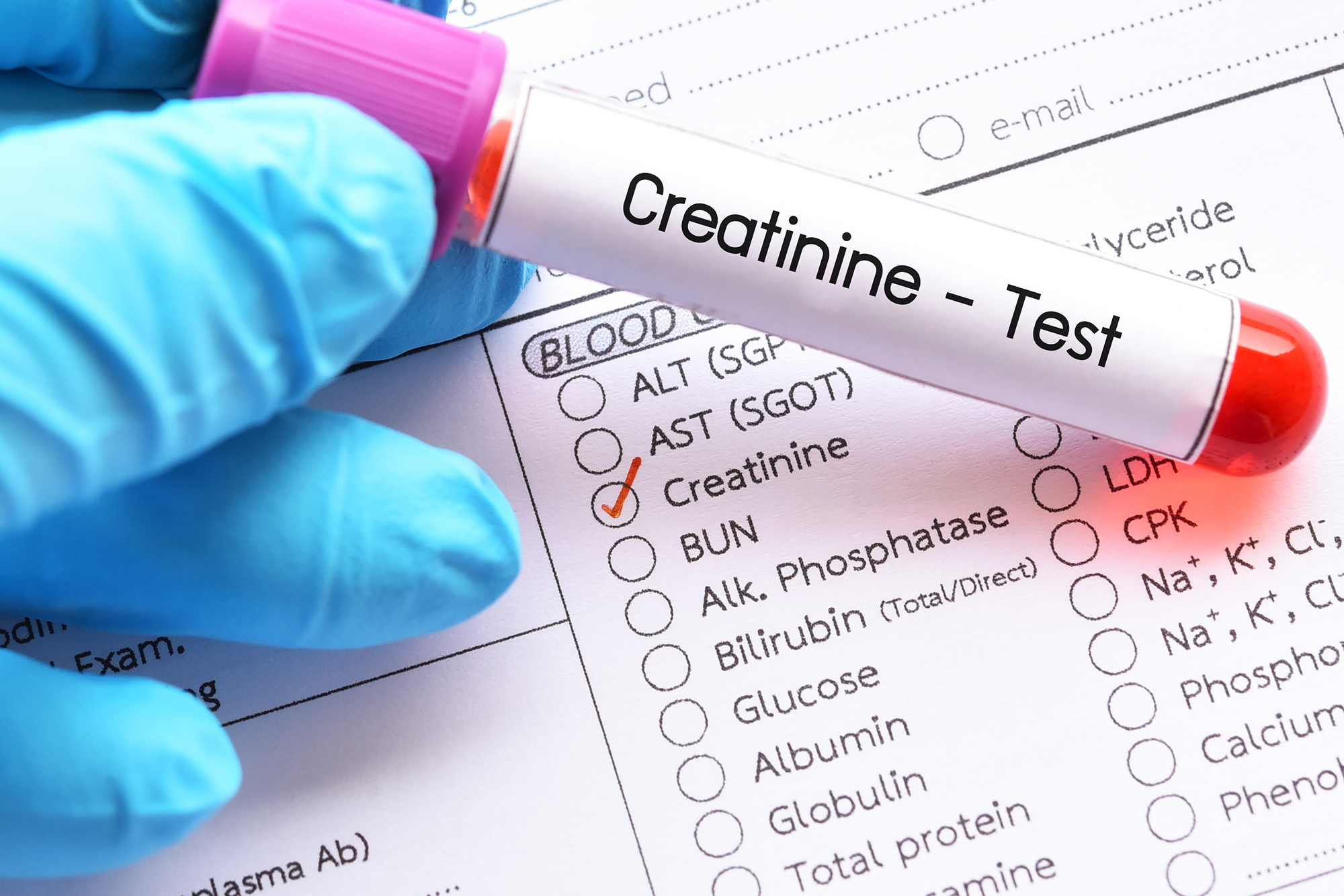
When you see your creatinine level on a lab report, it’s easy to fixate on the number.
High. Low. Normal. Abnormal.
But what if that number is more than just a measurement?
What if it’s actually a message from your kidneys?
Creatinine is a natural waste product produced by your muscles and filtered out of your blood by your kidneys.
When your creatinine level rises, it’s often a sign that your kidneys are struggling to filter waste efficiently.
But here’s where most people get it wrong:
They focus only on the number.
In reality, the number is just the symptom—not the root cause.
Instead of asking, “How do I lower my creatinine?”, a more important question is:
Why are my kidneys struggling in the first place?
When you address the root causes, you’re more likely to support long-term kidney function—not just temporarily change a lab value.
Ongoing inflammation in the body can gradually damage the nephrons—the tiny filtering units in your kidneys.
Over time, this reduces your kidneys’ ability to do their job effectively.
An unhealthy gut can allow toxins to build up and re-enter the bloodstream.
This increases the burden on your kidneys, forcing them to work harder to filter out waste.
While medical care is essential, certain lifestyle and dietary changes can support overall kidney health:
Reduce processed foods
Limit highly processed foods, excess protein, and additives that may stress your kidneys.
Include anti-inflammatory ingredients
Ginger, garlic, and turmeric are known for their antioxidant and anti-inflammatory properties.
Support gut health
A balanced gut may help reduce toxin buildup and ease the load on your kidneys.
Stay well hydrated
Proper hydration supports healthy filtration and waste removal.
Address nutritional deficiencies
Nutrient-rich foods that support healthy blood levels can also benefit overall wellness.
Improving kidney health is not about quick fixes.
It’s about consistency, structure, and making informed daily choices.
Some individuals who adopt healthier habits may see improvements in their lab results over time—but outcomes vary, and medical supervision is essential.
Your creatinine level is not just a number on a page.
It’s a signal—an early warning that something in your body may need attention.
Instead of chasing the number, focus on supporting your kidneys through better habits, balanced nutrition, and proper medical care.
Because real healing starts at the root.
If you want to get started:
WhatsApp: +234 814 151 7724
Telegram: https://t.me/UzorPetersOrganics


0 Comments
Write a Comment